
Did You Know Stress Can Cause Hair Loss? Here's How

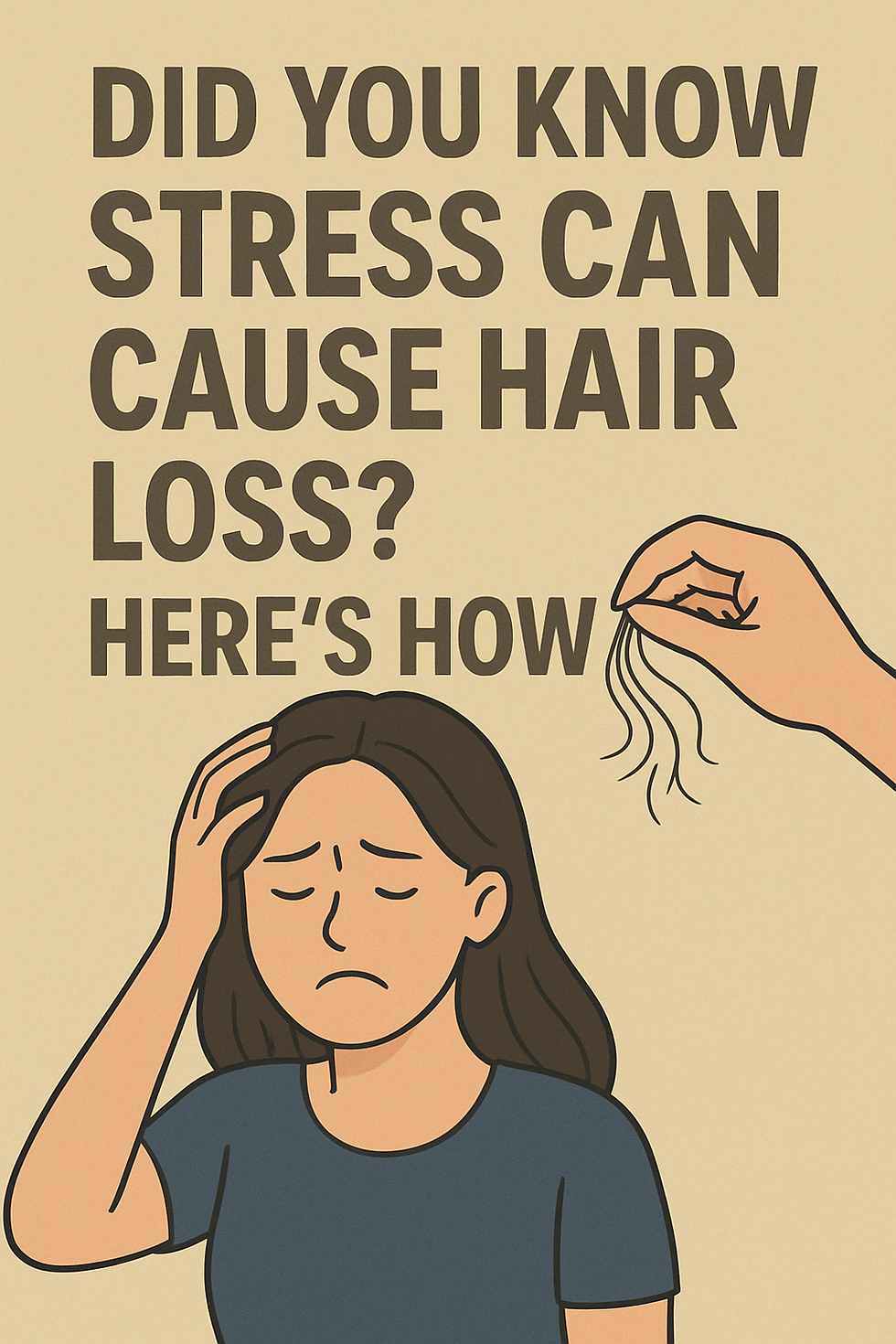
Hair loss is a concern that touches many lives, affecting confidence and daily well-being. You might wonder how stress affects hair loss? or why your hair thins during challenging times.
Stress plays a significant role in hair health, influencing not just the amount of hair you lose but also its growth cycle and appearance.
Understanding stress and hair loss helps you take control of your hair’s future. This article dives into the science behind how stress affects hair, revealing the biological processes involved and offering insights into effective care. Knowing the connection between stress and your scalp is a crucial step toward healthier, fuller hair.
For those seeking professional guidance on this matter, Dr. Kinyas Dusunmez at Vita Estetic offers expertise in addressing these concerns. You can learn more about their services by visiting their about page or reach out through their contact page.
Understanding Hair Growth and Hair Loss
Hair grows through a natural cycle with three distinct phases:
Anagen (growth phase): Hair actively grows as follicle stem cells multiply.
Catagen (regression phase): Growth slows, and the hair follicle shrinks.
Telogen (resting phase): Hair stops growing and eventually sheds.
Hair follicle stem cells play a crucial role by regenerating new hairs during each cycle. When these cycles are disrupted—whether by hormonal changes, genetics, or external factors like stress—the balance shifts. This imbalance can cause more hairs to enter the resting phase simultaneously, leading to noticeable thinning or shedding.
Understanding how stress affects hair loss includes recognizing its impact on these stem cells and the delicate timing of the hair growth cycle.
In cases where hair loss becomes severe, some individuals may consider surgical options like a hair transplant. This procedure involves transferring hair follicles from one part of the body to another, often resulting in a more permanent solution to hair loss.
However, it's essential to understand the potential side effects and whether the process is painful.
Targeted hair treatment for hair loss often aims to restore this natural rhythm and stimulate healthy follicle activity. For some, an unshaven hair transplant may be a suitable option, allowing for a less invasive procedure with minimal visible scarring.
How Stress Affects Your Hair
When you're stressed, your body goes through a series of changes, and one of the key players in this process is a hormone called corticosterone. This hormone has a direct impact on your hair follicles, which are the tiny structures in your skin that produce hair.
The Role of Dermal Papilla Cells
Within each hair follicle, there are specialized cells known as dermal papilla cells. These cells have an important job: they send signals to hair follicle stem cells, instructing them when to spring into action and start growing new hair.
However, here's the problem: when you're under chronic stress, your body releases higher levels of corticosterone than usual. And this excess hormone has a negative effect on the dermal papilla cells.
The Gas6 Connection
You see, dermal papilla cells produce a molecule called Gas6, which is crucial for activating resting hair follicle stem cells. Think of Gas6 as a wake-up call for these stem cells, urging them to leave their inactive state and kickstart the hair growth process.
But with elevated corticosterone levels suppressing Gas6 production, the stem cells remain dormant. This means that instead of new hair being generated, you're left with weakened growth and potentially even thinning or loss over time.
Beyond Shedding: Understanding the Cellular Impact
So, while we often associate stress with hair shedding (and rightfully so), it’s important to recognize that its effects go beyond that. At a cellular level, chronic stress disrupts the delicate balance needed for healthy hair regeneration.
This understanding sheds light on why managing stress is so crucial—not just for our mental well-being but also for maintaining vibrant locks.
The Biological Mechanism Behind Stress-Induced Hair Loss
Stress triggers a chain reaction at the cellular level through the corticosterone impact on hair follicles. This hormone, elevated during chronic stress, directly inhibits the secretion of Gas6 a vital protein produced by dermal papilla cells.
Gas6 plays a key role in signaling hair follicle stem cells to exit their resting state and begin regenerating new hair.
When Gas6 secretion is suppressed:
Hair follicle stem cells enter an extended resting phase, known scientifically as stem cell inactivity.
These stem cells do not progress into the active growth phase, halting the production of new hair shafts.
The result is a visible thinning or shedding of hair, as old hairs naturally fall out without replacement.
It’s important to understand that the stem cells themselves are not destroyed or depleted by this process. They remain intact but temporarily dormant due to the lack of activation signals like Gas6.
This resting phase extension explains why hair loss caused by stress can sometimes be reversible if the hormonal imbalance is corrected and proper stimulation returns.
This mechanism sheds light on how stress affects hair loss in a biological sense: it’s less about killing hair cells and more about preventing their timely awakening for growth. Understanding this distinction helps you appreciate why managing stress effectively can restore your natural hair cycle over time.
Stress and Changes in Hair Color
Stress affects more than just the amount of hair we have—it also impacts the color of our hair through melanocyte stem cells.
These specialized cells are responsible for producing pigment and are located in hair follicles. They supply the color-producing melanocytes that give our hair its natural shade.
How Chronic Stress Affects Hair Color
When stress becomes chronic, it disrupts the delicate balance of these melanocyte stem cells, leading to pigmentation loss. Here's how it works:
Interference with Function: Stress hormones interfere with the function of these stem cells.
Improper Regeneration: As a result, these stem cells fail to regenerate properly.
Reduced Melanin Production: This leads to a reduction in the production of melanin—the pigment that colors our hair.
The Biological Response to Stress
This disruption accelerates the onset of gray hair from stress, making it more than just a cosmetic issue but rather a biological response to prolonged emotional or physical strain.
Here's how it differs from hair loss:
Unlike hair loss, which involves dormant stem cells,
pigmentation loss reflects the inability of pigment-producing cells to maintain hair color.
This explains why some individuals notice premature graying during stressful periods.
Scientific Insights and Research Findings on Stress and Hair Loss
Scientific studies using mouse model research have provided compelling evidence about how stress hormones impact hair growth. One notable experiment involved the removal of adrenal glands, which are responsible for producing corticosterone—the primary stress hormone linked to hair follicle disruption.
Mice without adrenal glands continued to experience continuous hair regrowth, despite being exposed to stressors that would normally suppress hair growth. This finding highlights the central role of corticosterone in stress-induced hair loss.
Another breakthrough comes from experiments focused on Gas6 treatment effects. Gas6, a protein secreted by dermal papilla cells, activates hair follicle stem cells essential for regeneration.
Administering Gas6 to stressed mice effectively promoted new hair growth even when corticosterone levels remained elevated. This demonstrates that targeting the Gas6 pathway can potentially reverse or prevent hair loss caused by chronic stress.
These insights offer hope by clarifying biological mechanisms and pointing toward innovative treatments that could help restore healthy hair cycles disrupted by stress.
Managing Stress to Prevent Hair Loss: Practical Tips and Techniques
Understanding how stress affects hair loss? is the first step toward protecting your hair health. Effective stress management techniques for healthy hair focus on minimizing chronic stress to keep those vital stem cells active.
1. Mindfulness and Meditation
These practices calm your mind, reducing the production of stress hormones like corticosterone that can disrupt hair growth.
2. Regular Exercise
Physical activity boosts circulation, including to the scalp, and helps regulate hormone levels.
3. Sleep Hygiene
Quality sleep supports cellular repair and hormonal balance essential for healthy hair follicles.
Implementing these strategies consistently creates a supportive environment for your hair to thrive despite daily pressures.
Exploring Hair Loss Treatments and Solutions Beyond Stress Management Strategies
When stress contributes to hair loss, lifestyle changes are a vital first step, but you might also consider alopecia treatment options beyond lifestyle changes.
Various therapies target different types of alopecia, including those worsened by stress:
Topical treatments: Minoxidil is widely used to stimulate hair growth and slow thinning.
Oral medications: Finasteride can block hormones that cause hair loss in androgenetic alopecia.
Low-level laser therapy: Helps improve cellular activity in hair follicles.
Platelet-rich plasma (PRP) therapy: Uses your blood’s own growth factors to encourage follicle regeneration.
Immunotherapy: For autoimmune-related alopecia, treatments aim to reset the immune response.
These options often work alongside stress management to create a comprehensive approach to hair restoration. However, if you're dealing with a specific issue like a bald spot on the crown, it's essential to explore targeted treatments that can effectively address this condition.
FAQs (Frequently Asked Questions)
How does stress affect hair loss?
Stress elevates the hormone corticosterone, which suppresses Gas6 secretion in dermal papilla cells. This suppression keeps hair follicle stem cells inactive and extends their resting phase, leading to visible hair loss due to a failure in new hair growth.
What is the normal hair growth cycle and how is it disrupted by stress?
The hair growth cycle consists of three phases: anagen (growth), catagen (transition), and telogen (resting). Stress disrupts this cycle by inhibiting Gas6 secretion, causing stem cells to remain in the telogen phase longer, which delays new hair growth and results in hair thinning or loss.
Can stress cause changes in hair pigmentation such as graying?
Yes, chronic stress affects melanocyte stem cells responsible for hair color. This disruption accelerates graying by compromising the pigment-producing cells, leading to premature loss of hair pigmentation.
Are there scientific studies supporting the link between stress and hair loss?
Mouse model research demonstrates that removing the adrenal gland, which produces corticosterone, leads to continuous hair regrowth. Additionally, administering Gas6 promotes hair growth even under high stress hormone levels, confirming the biological mechanism behind stress-induced hair loss.
What practical steps can be taken to manage stress and prevent hair loss?
Effective stress management techniques include mindfulness practices, regular exercise, and maintaining good sleep hygiene. These approaches help reduce chronic stress levels, thereby supporting healthy hair growth and minimizing stress-related hair loss.
What treatment options are available for stress-related alopecia beyond lifestyle changes?
Beyond managing stress, various alopecia treatments exist including topical medications, oral therapies, and advanced procedures like hair transplants. Notably, Turkey offers affordable and high-quality hair restoration clinics popular for addressing stress-related hair loss issues.
If you have more questions about hair transplants, visit our Frequently Asked Questions page for clear, expert answers.




.png)
Comments