
Can I Swim or Hit the Gym After a Hair Transplant ?

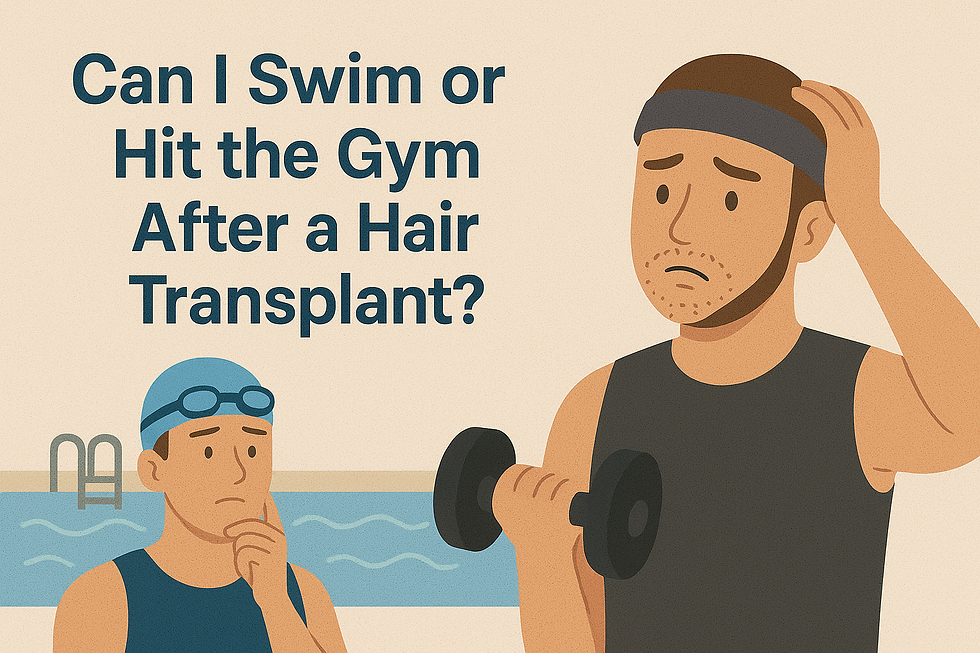
If you’re exploring options to restore your hair, a hair transplant might be the solution you’re considering. This procedure involves relocating healthy hair follicles from one part of your scalp, typically the donor area, to areas experiencing thinning or baldness. The goal is natural-looking, lasting hair growth that boosts confidence and appearance.
After your transplant, post-transplant care plays a crucial role in making sure those newly placed grafts take root and thrive. How you treat your scalp during the healing phase directly impacts the success of your results. Protecting the transplanted follicles from damage, infection, or irritation is essential.
However, there are potential hair transplant side effects that patients should be aware of. Understanding these challenges and knowing when to consult with your doctor can help ensure a smoother recovery process.
One of the most common questions patients ask is:
“Can I swim or go to the gym after a hair transplant procedure?”
These activities feel like normal parts of daily life, but they involve factors—like water exposure, chlorine, sweat, and physical strain—that could affect healing. Understanding when and how to safely resume swimming or gym workouts helps you protect your investment in this life-changing procedure while maintaining your active lifestyle.
This article will guide you through what to expect and how to care for yourself as you gradually return to these activities.
Why Post-Transplant Care Matters
Taking care of your scalp after a hair transplant is crucial for the success of the procedure. The healing process requires gentle handling to ensure the transplanted grafts firmly establish themselves in their new location.
Protecting these delicate grafts during the early days helps maximize their survival rate and supports healthy hair growth. Engaging in physical activities or exposing your scalp to water too soon can:
Dislodge or damage newly implanted follicles
Increase the chance of infection or scalp irritation
Slow down the healing process, affecting long-term results
Avoiding infection and irritation plays a vital role in post-hair transplant care. Keeping the scalp clean but gentle encourages faster recovery and protects the investment you’ve made in your hair restoration journey.
One common question that arises during this healing period is about wearing a hat. It's important to know when it’s safe to wear a hat after your hair transplant, as this can significantly affect the health of your new grafts. For expert timelines, risks, and tips on how to protect your new grafts while wearing a hat, you can refer to this resource on post-hair transplant care.
If you have any concerns or need personalized advice regarding your post-transplant care, don't hesitate to reach out to professionals like Dr. Kinya's who specialize in this field. You can also contact us for further assistance in your hair restoration journey.
Swimming After a Hair Transplant: Guidelines and Precautions to Follow for Optimal Results
You might be wondering, "Can I swim or go to the gym after a hair transplant?" When it comes to swimming, patience is key. Experts typically recommend waiting around 4 weeks before you dive back into pools, oceans, or even hot tubs.
This waiting period allows your scalp to heal properly and the transplanted grafts to anchor firmly.
Swimming too soon can expose your delicate new follicles to chlorine, saltwater, or bacteria, which may irritate the scalp and increase infection risk. These elements can also dry out your skin and weaken the grafts, potentially affecting your final results.
When you do start swimming again, consider these precautions:
Wet your hair thoroughly beforehand: This helps reduce the amount of chlorinated or salty water your scalp absorbs.
Apply a leave-in conditioner: Coat your scalp and hair with a gentle conditioner that you don’t rinse out. It acts as a protective barrier.
Wear a swim cap: This provides an extra layer of protection against harsh chemicals and friction.
Rinse your scalp immediately after swimming: Use fresh water to gently wash away any residual pool or seawater.
By following these steps carefully, you protect your investment in healthier hair while enjoying swimming safely after your procedure.
Going to the Gym After a Hair Transplant: What You Need to Know for Safe Recovery
When considering the gym after hair transplant, your primary goal is protecting the delicate grafts during their critical healing phase. Physical activity increases blood flow and sweating, which can irritate your scalp or loosen newly implanted follicles.
Safe physical activities in early recovery (1-2 weeks post-procedure):
Light walking or gentle stretching exercises
Low-intensity yoga or mobility routines
Avoid any movement that causes sweating or puts pressure on the scalp
These gentler activities help maintain circulation without risking damage to your transplant site.
Activities to avoid for at least 4 weeks:
Intense cardiovascular workouts like running or spinning
Heavy weightlifting or resistance training that strains your upper body and neck
Contact sports or exercises that may cause trauma to the scalp area
Any activity that leads to excessive sweating, as sweat can irritate grafts and increase infection risk
Sweating can be especially problematic—if you do engage in mild activity, gently pat sweat away with a clean towel instead of rubbing. Keep in mind that rest during this time supports the survival and growth of transplanted follicles.
Taking care while returning to the gym after hair transplant ensures you protect your investment and promote healthy hair growth during recovery.
Final Recommendations for Swimming and Going to the Gym After a Hair Transplant
When considering post-hair transplant activity guidelines, it’s important to listen to your body and prioritize healing. You can gently resume light activities like walking or stretching within the first week, but always proceed with caution. Protecting your transplanted follicles remains essential to achieving the best results.
Here are key points to keep in mind:
Avoid exposing grafts to harsh environments, such as chlorinated or saltwater pools, until fully healed.
Use protective measures like swim caps and conditioning treatments when you return to swimming.
Steer clear of intense gym workouts for at least 4 weeks to prevent sweating-induced irritation or graft displacement.
Focus on gradual progress rather than rushing back into your routine.
These steps address common concerns around Can I swim or go to the gym after a hair transplant? while safeguarding your investment in the procedure.
Frequently Asked Questions (FAQs)
Can I swim after a hair transplant procedure?
It is recommended to wait at least 4 weeks before resuming swimming activities after a hair transplant. This waiting period helps protect the transplanted grafts during the critical healing phase and reduces the risk of infection or irritation.
When can I safely return to the gym after a hair transplant?
Gentle physical activities can typically be resumed within 1-2 weeks post-procedure. However, intense workouts and weightlifting should be avoided for at least 4 weeks to ensure proper healing and graft protection.
Can I shower normally after a hair transplant?
Showering is generally allowed soon after the procedure, but care must be taken to avoid harsh water pressure or scrubbing on the transplanted area. It is best to follow your surgeon's specific instructions regarding washing techniques and timing.
What signs indicate a problem during recovery?
Watch for excessive redness, swelling, pus, or severe pain—these may signal infection or complications requiring medical attention.
You might also want to read this comprehensive guide on whether a hair transplant is painful which debunks myths and sheds light on discomfort levels associated with the procedure.
How can I minimize risk when returning to physical activities?
Start with light exercises after one week, avoid sweating heavily, wear protective gear if swimming, and always follow your surgeon’s specific instructions closely.
These FAQs hair transplant recovery address common concerns around "Can I swim or go to the gym after a hair transplant?" helping you confidently navigate your healing journey. Additionally, be aware of the shock loss period after a hair transplant, which is a common part of recovery that many patients experience.




.png)
Comments